Our programs

How we build peace, every day

Our work spans four connected areas. Each one strengthens the others, because a community that can feed, educate, and govern itself is a community where peace can last.

Peacebuilding

Healing conflict at its roots

Workshops, mediation, and healing programs that help individuals and communities transform conflict into understanding.

Alternatives to Violence Project (AVP)

AVP is a peacebuilding programme that originated in the United States. Participants work together to identify the root causes of violence and conflict and find creative, peaceful ways to solve them.

AVP workshops come in three levels: Basic, Advanced, and Training of Facilitators (ToF).

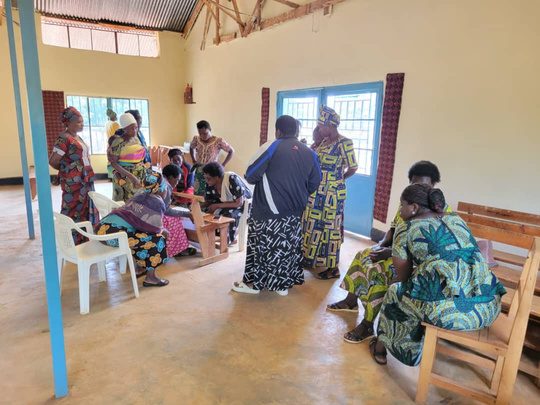
AVP in Rwanda's prisons. Friends Peace House promotes peace and coexistence in prisons around Rwanda through multi-day peace trainings for inmates. The purpose is to personally transform individuals so they can be more peaceful and help others through conflict, making positive change both inside and outside prison. Through group exercises and discussions, participants are guided through methods of conflict resolution, with a focus on "targeting the individual": giving each person the liberty to express their thoughts and feelings freely in a safe environment.

Learn more at avp.international, Quakers in the World, and AVP in US prisons.

"Being trained is crucial, and living what we are taught is one of the first keys of applying the AVP methods."Daniel, AVP Facilitator
"AVP trainers must go through the same training as the trainee. They must be transformed before they can try to help anyone else."Marcelin Sizeli, AVP Facilitator
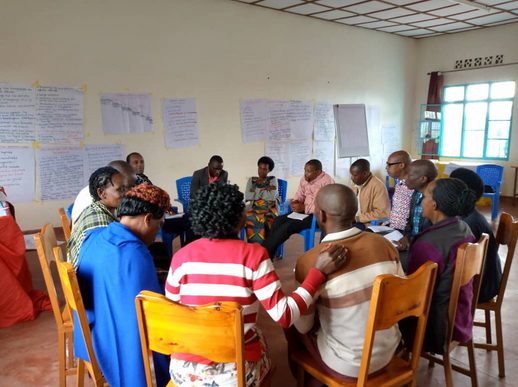
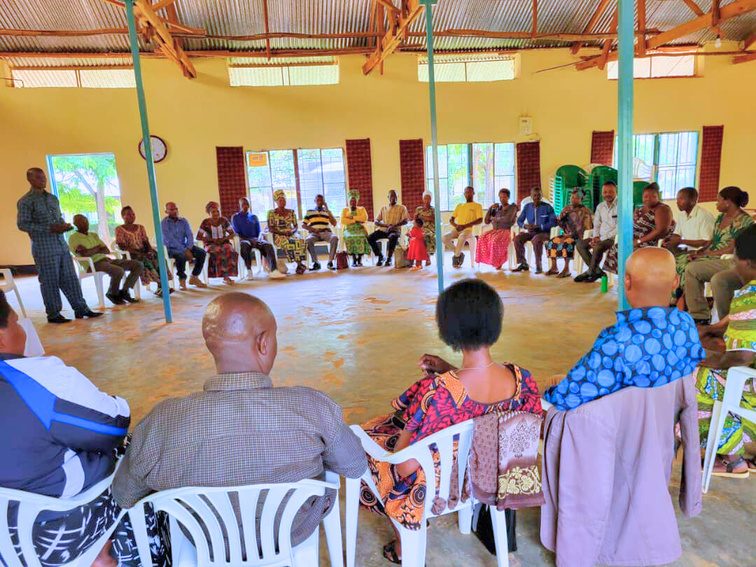
AVP couples training session in Bugesera
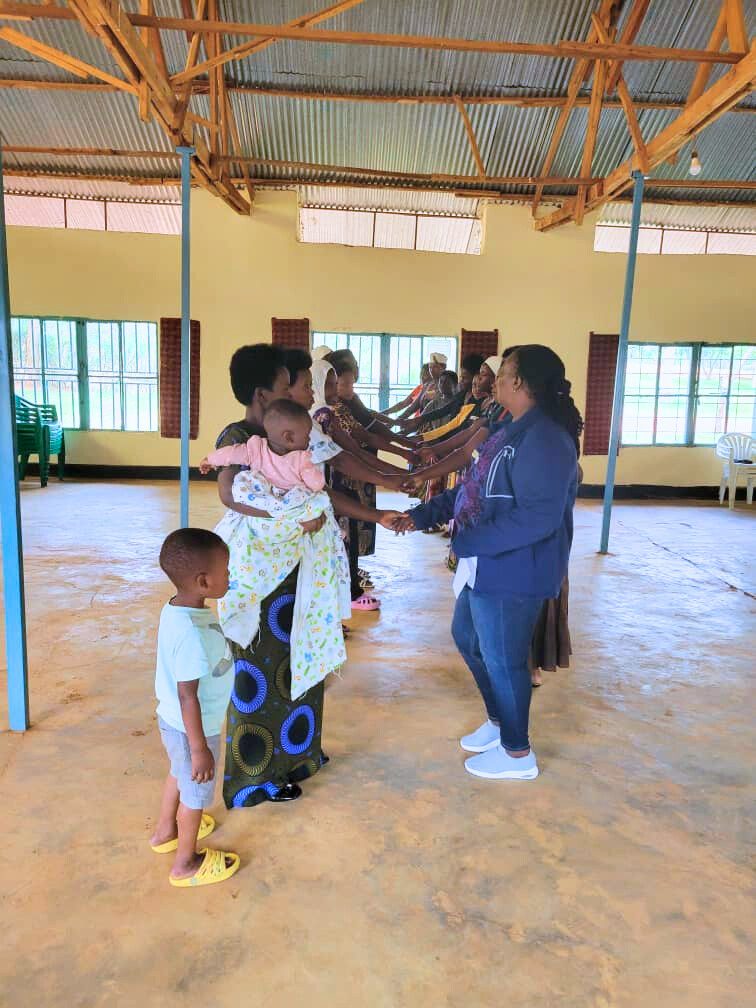
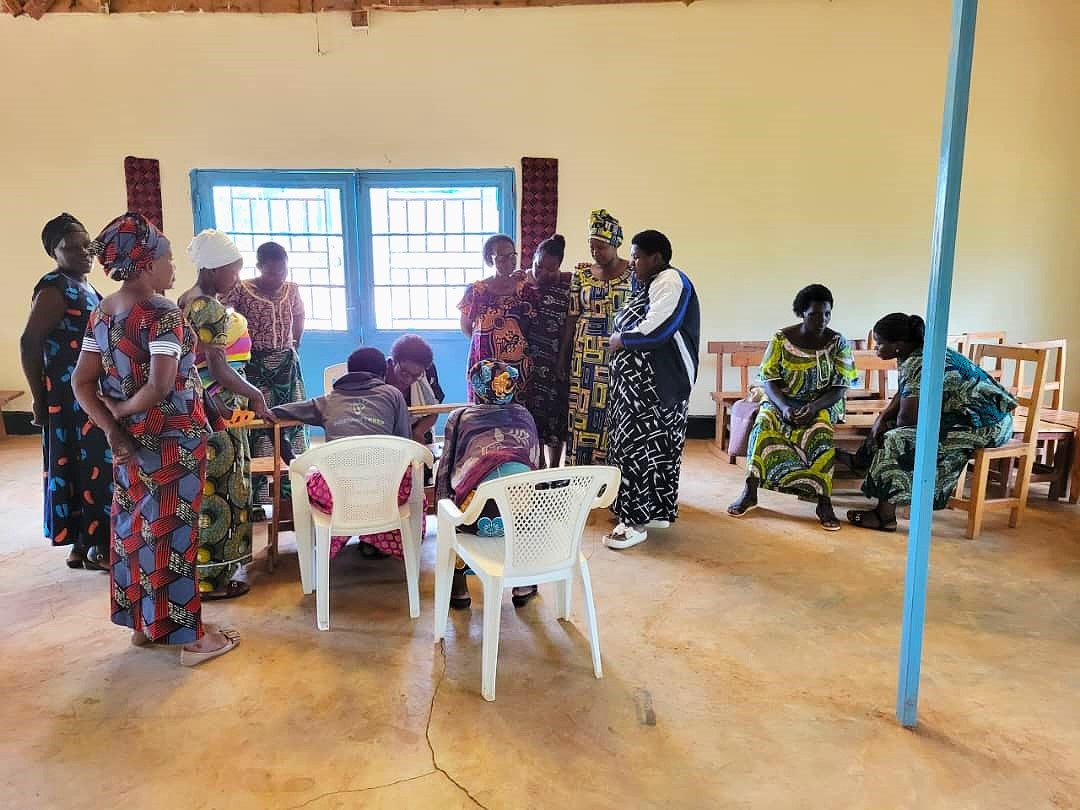
AVP teen mother participants in a group activity

Since 2014

Transformational Mediation

Our Transformational Mediation program began in 2014 with the goal of bringing reconciliation to broken relationships. It not only helps individuals work out their situations and issues; the main focus is on rebuilding relationships and rebuilding the interaction between people.

The program works with people within our communities and also provides workshops to equip and train others in conflict resolution and reconciliation. A great supporter and promoter of this program has been Christine Curci, whose aid over the years has made this work possible, and we are very thankful for all her support.

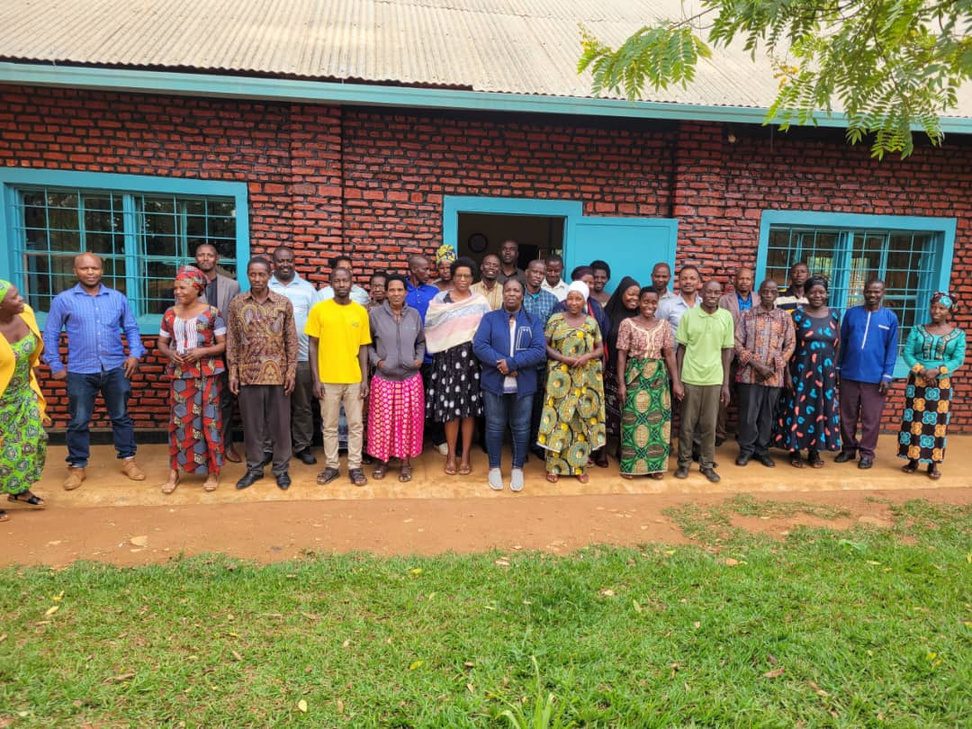
A group training session in Bugesera
Group photo from a couples training in Bugesera

Rwanda · DRC · Burundi

Great Lakes Peace-building Institute (GLPI)

GLPI is a regional initiative uniting FPH (Rwanda), COPARE (DRC), and MIPAREC (Burundi) to train peacebuilders through an extensive one-month program on peacebuilding and conflict resolution. The institute is supported by Mennonite Central Committee (MCC), with some students covering their training fees.

This partnership continues to be an encouraging initiative that strengthens the skills of young people in our programs and community. GLPI is led by the coordinators of the three founding organisations and guided by a technical committee under its constitution. The current GLPI coordinator is Kibinakanwa Dieudonne.

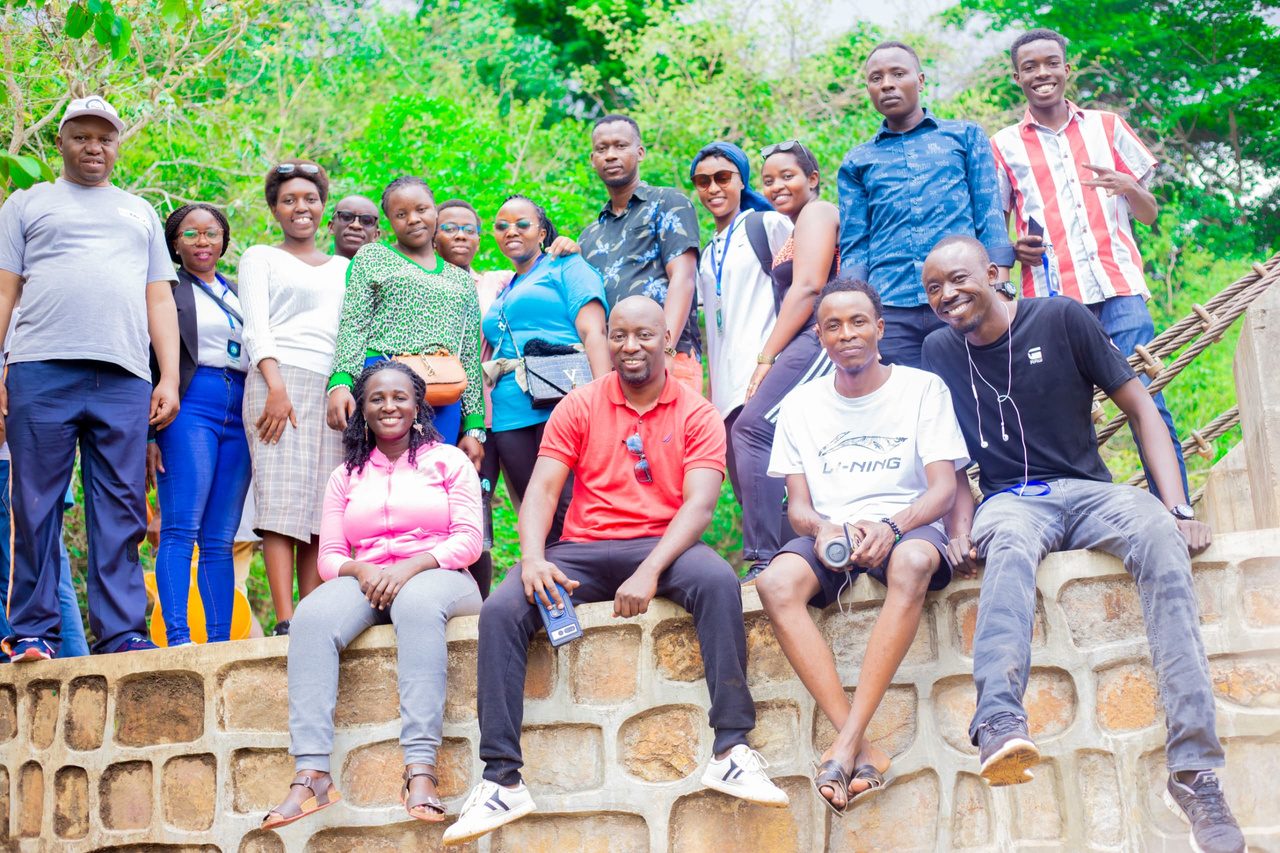
GLPI 2024 students in Burundi

With Caritas International Belgium

Refugee Reintegration

FPH is involved in the voluntary return of refugees to Rwanda. In collaboration with Caritas International Belgium, we help reintegrate Rwandan refugees who were located in Belgium back into their communities.

We welcome returning refugees by meeting them at the airport, providing an information packet relevant to the area they are returning to, and offering continued support during their transition to help them build the next chapter of their lives. FPH assists newly returned refugees in reintegrating into their communities through resource connections, counselling, and mediation.

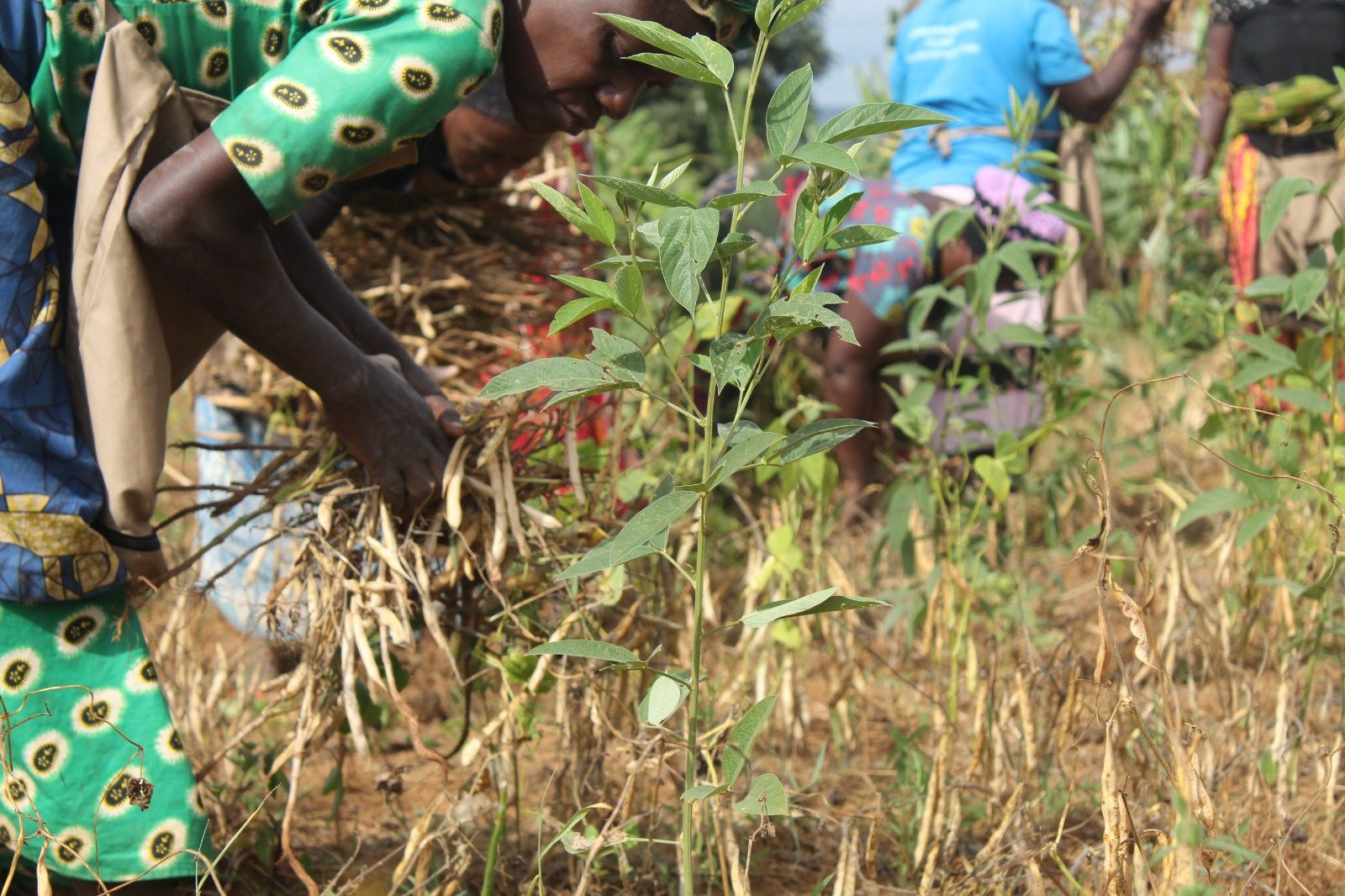
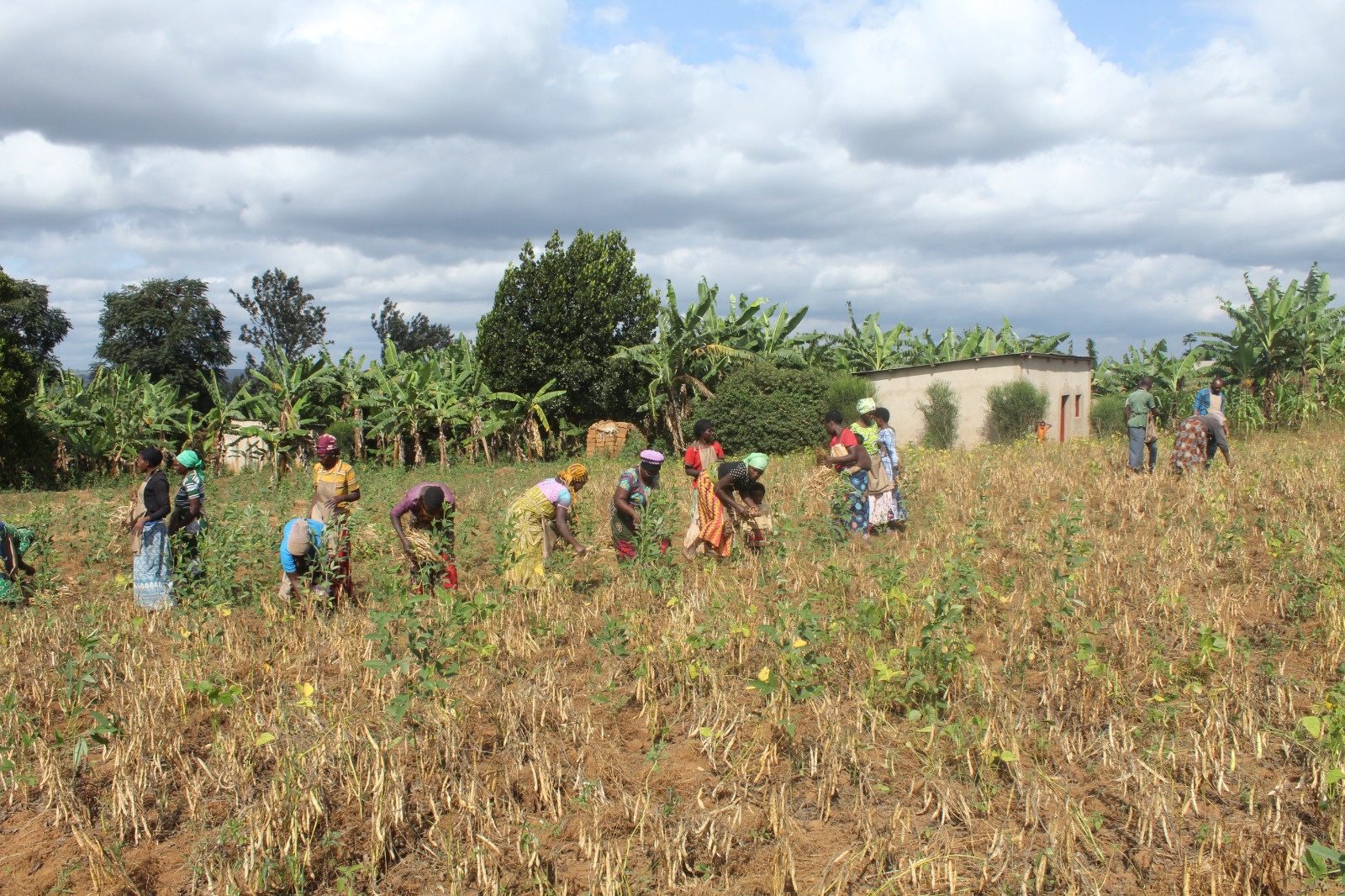
Community members harvesting beans together in Bugesera

Since 2003

Healing and Rebuilding Our Communities (HROC)

HROC began in 2003 and was designed to bring trauma healing and training to those who experienced trauma from the genocide against the Tutsi in 1994. Since then, the program curriculum has been adopted widely throughout the country and is used to assist people with all kinds of traumatic experiences.

Participants in group discussion at HROC training, October 2024
Education

Skills for independent futures

Our Mwana Nshuti vocational training centres equip vulnerable young people aged 16–35 from low-income households with practical trades and the confidence to earn their own living.

850 young people trained since November 2013

Mwana Nshuti VTC Kigali

Trades offered

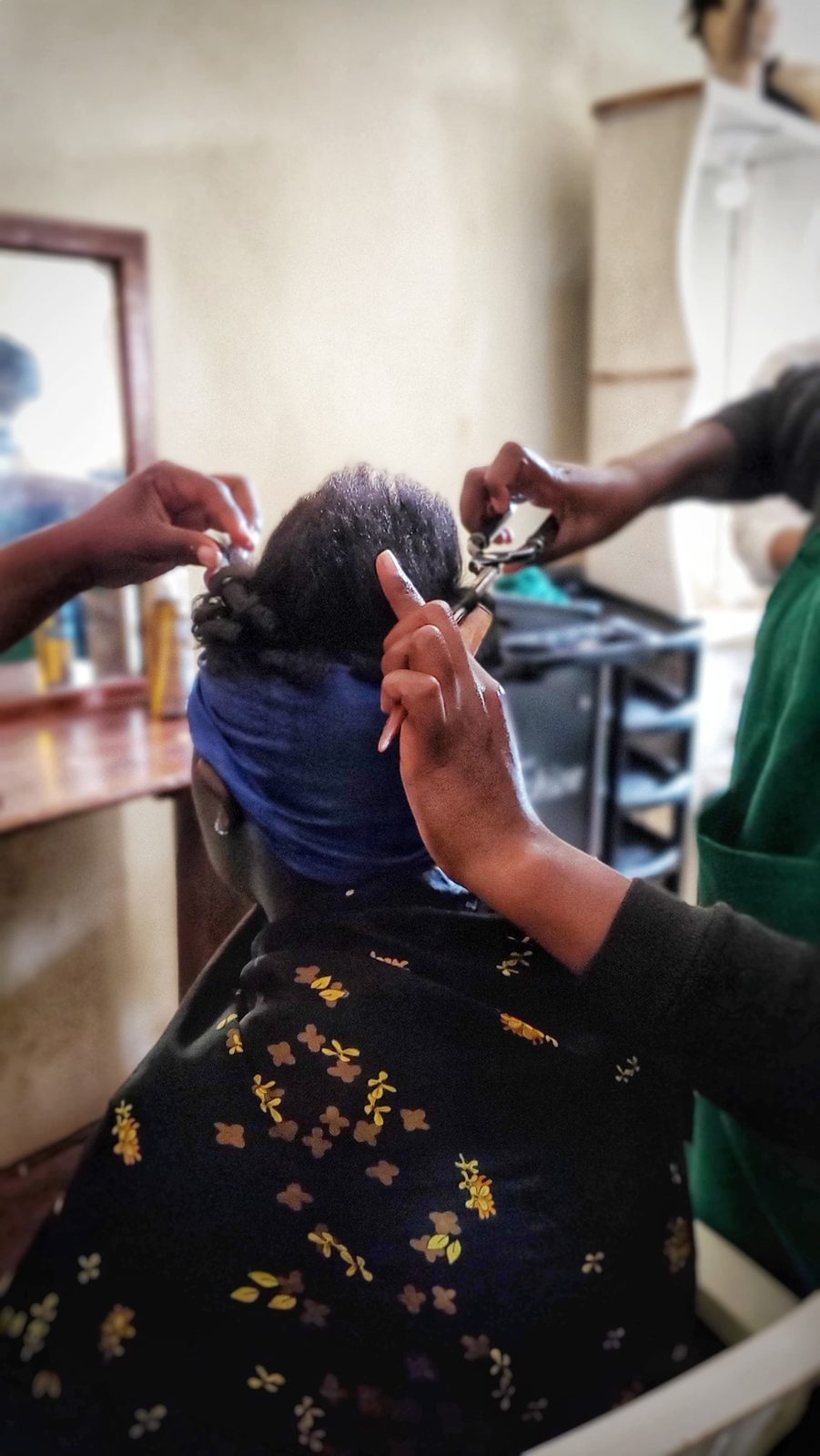
  • Hairdressing
  • Culinary arts
  • Motor vehicle mechanics

All students also study Mathematics, English, and Entrepreneurship.

At the Kigali branch, Mwana Nshuti offers vocational training in hairdressing, culinary arts, and motor vehicle mechanics. In addition to their chosen vocational course, students receive training in Mathematics, English, and Entrepreneurship. Some students train free of charge thanks to financial support from Mennonite Central Committee.

The program trains students in theory and practical education over a 6-month period, followed by a 2-month internship, targeting young people aged 16 to 35 from low-income households. The Kigali branch is well equipped with hairdressing, culinary arts, and mechanics tools, and has 3 teachers and 4 employees whose dedication and experience contribute significantly to the success of our vocational training programs. Since November 2013, we have equipped 850 vulnerable young people with both job creation and vocational skills.

Daniel NIYIKORA, 25, works as a mechanic for Ruliba Clays Ltd. after training at Kicukiro Mwana Nshuti VTC. He can now repair both large and small vehicles, has been given the opportunity to become licensed in driving transport vehicles, and earns a monthly salary of 85,000 RWF.Mwana Nshuti VTC Kigali graduate
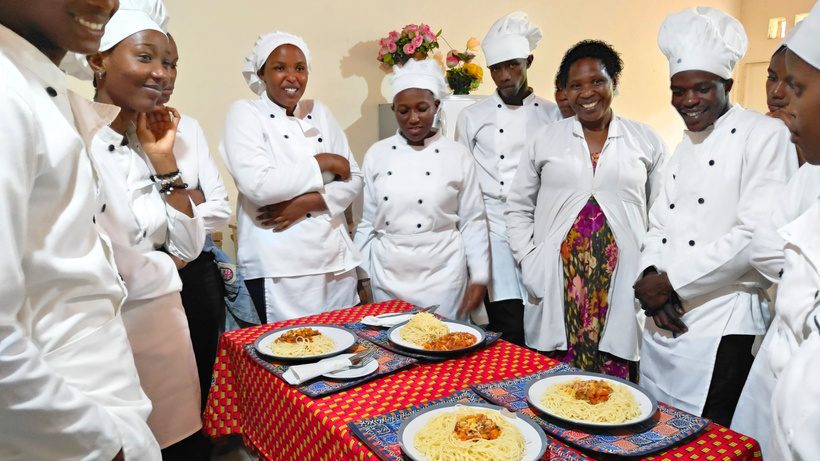
Culinary arts students during a practical lesson at Mwana Nshuti VTC Kigali
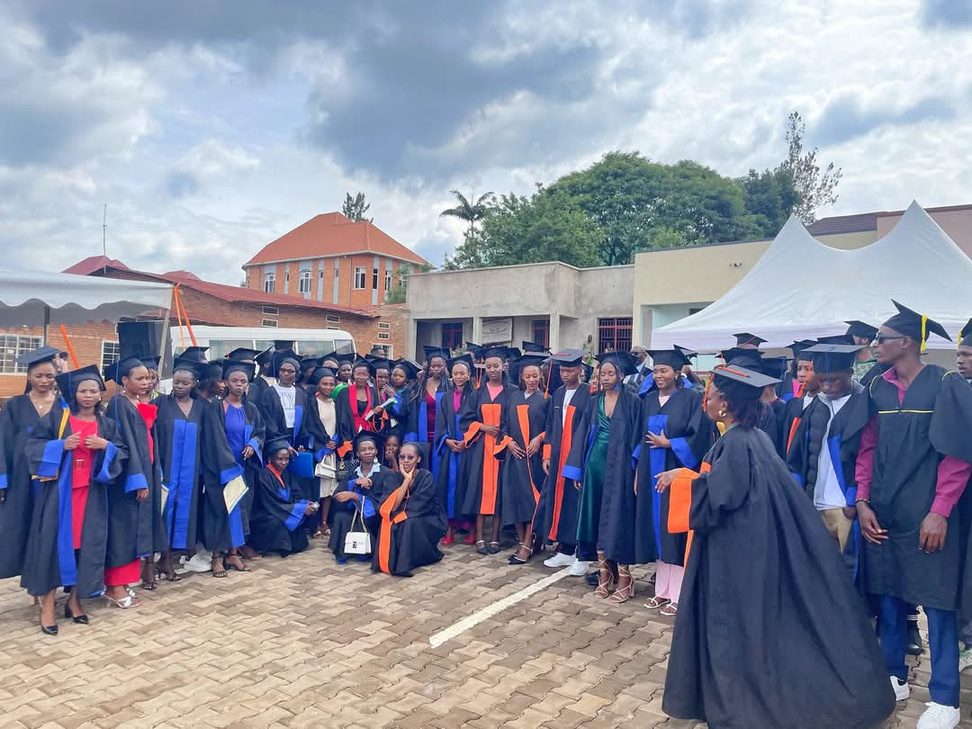
2024 graduates from Mwana Nshuti VTC Kigali

Juru sector · since 2013

Mwana Nshuti VTC Bugesera

Trades offered

  • Construction & masonry
  • Tailoring

Two cohorts each year, six months per cohort.

Starting in 2013, Mwana Nshuti branched out to reach a further community of students in Bugesera District. Located in the Juru sector, this branch offers two trades: construction and masonry, and tailoring. The region faces high unemployment and a lack of opportunities, but with the help of our vocational education centre, many students have found employment and started their own businesses.

There are two cohorts each year, learning for a total of six months each. The Bugesera team includes the school manager, two male teachers, one female teacher, and a campus guard.

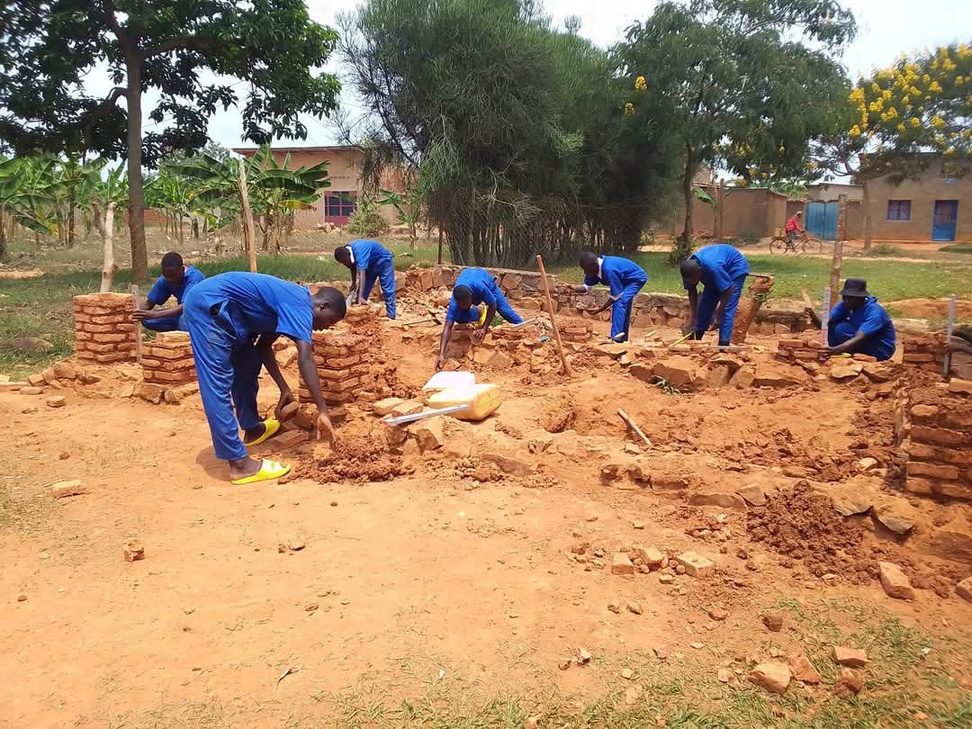
Construction students at Mwana Nshuti VTC Bugesera
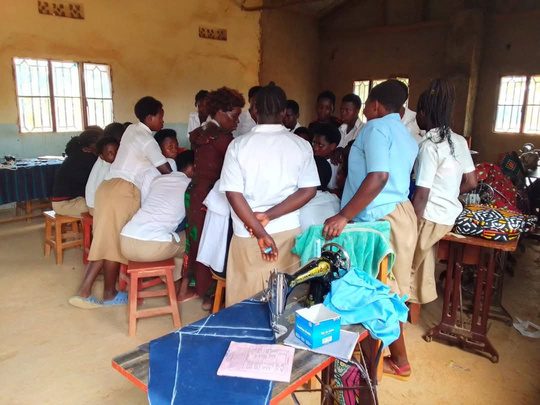
Tailoring students during a practical lesson at Bugesera
Community Development

Stronger households, thriving communities

Practical projects that improve daily life, because peace grows best where families are healthy, fed, and financially secure.

Seven projects on the platform

Global Giving

GlobalGiving is a platform that connects nonprofits and donors worldwide, enabling organisations to showcase projects and receive funding and support. FPH is proud to have seven impactful projects on the platform:

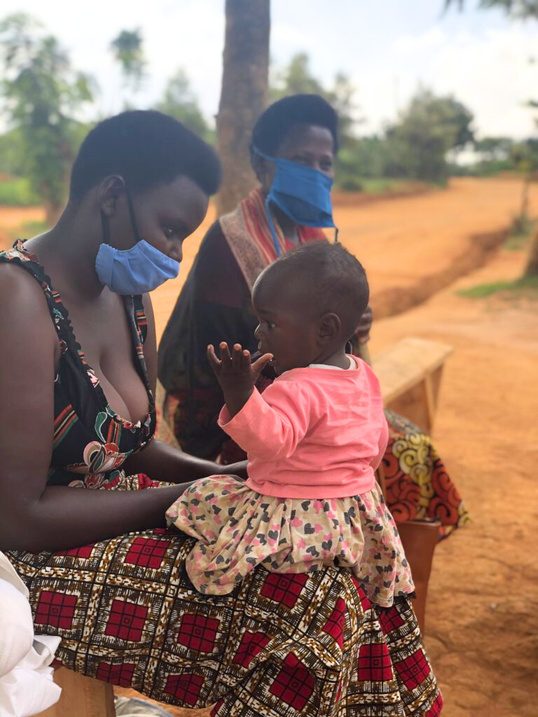
An adolescent mother participating in our GlobalGiving project in Bugesera

With Global Access 2030 · since 2022

Clean Water Project

Access to safe drinking water is a significant challenge for many residents of Bugesera District. Since 2022, FPH, in collaboration with Global Access 2030, has distributed 170 water purifiers to farmers and members of saving groups. Global Access 2030 provides the purifiers and FPH handles their distribution, ensuring they reach those in need.

These purifiers have given families safe drinking water, significantly reducing the risk of waterborne diseases and improving their health. FPH plans to distribute even more filters in the future so that more households have access to clean, safe water.

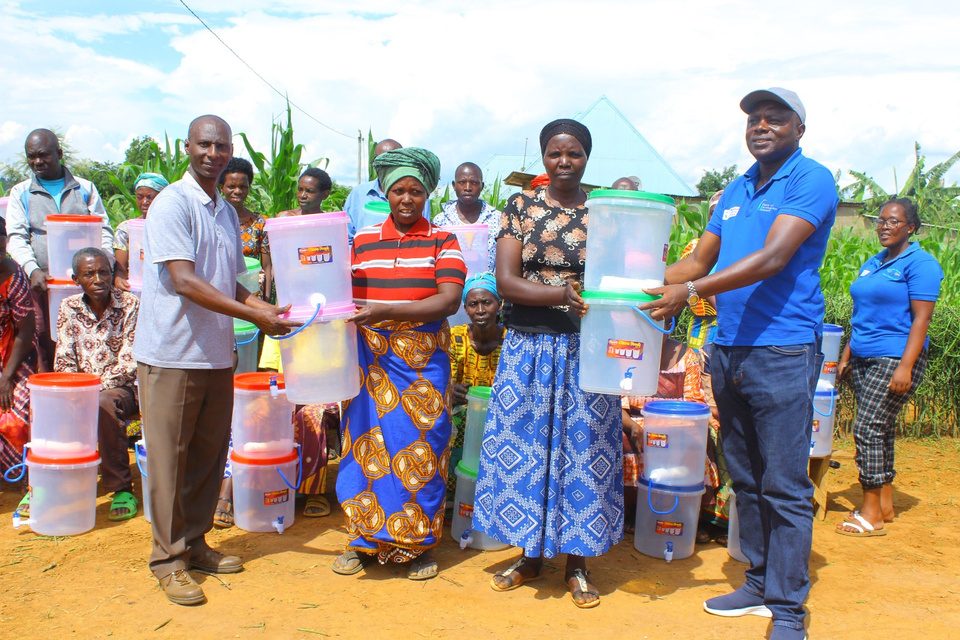
Clean Water Project beneficiaries receiving water filters
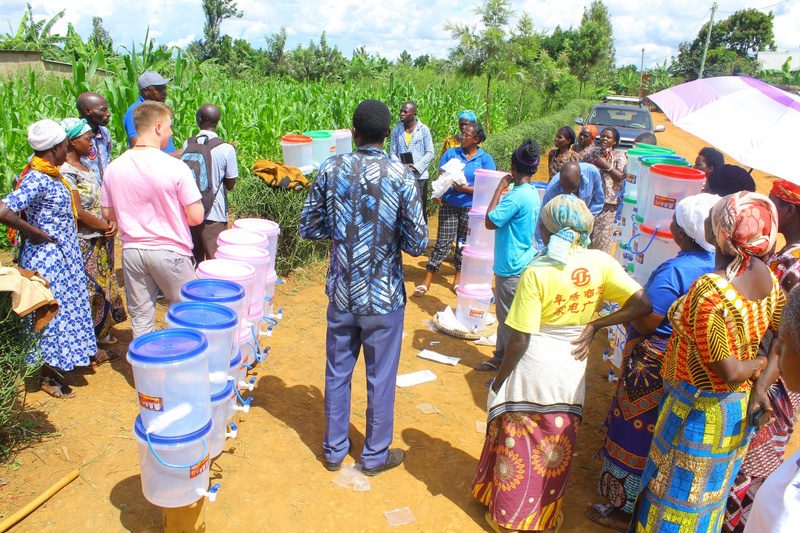
Distribution of water filters in Bugesera District

Since 2015

Conservation Agriculture (CA)

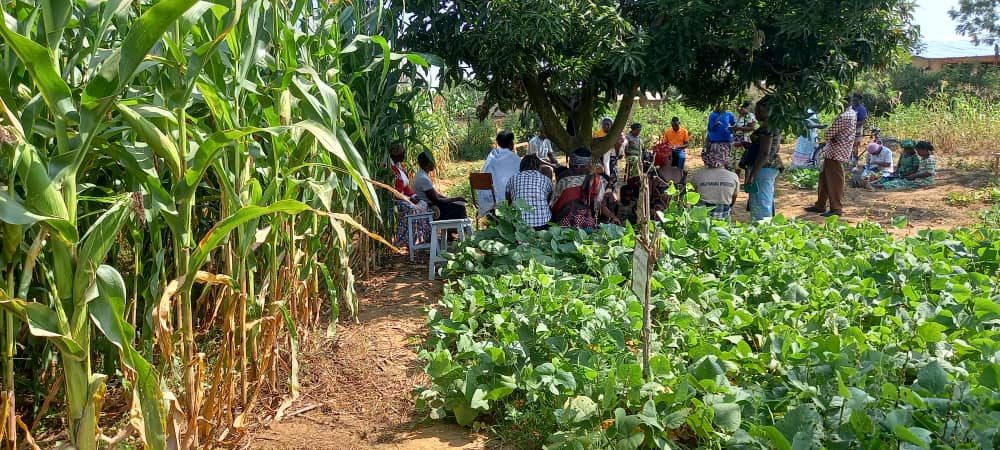
The Conservation Agriculture program focuses on enhancing food security through sustainable agricultural practices. Launched in 2015, it brings together small groups of farmers to teach three key principles: minimum tillage, mulching, and crop rotation per season. FPH also assists through a farmer field school for hands-on training and offers guidance in post-harvest management.

Free training and support is provided to groups of 30 people per sector. Trained participants sign a commitment to teach at least five of their neighbours, creating a ripple effect in the community, and FPH follows up to ensure knowledge is passed on effectively. Goats are given to participants to supply manure for farming, and recipients agree to give the goat's first offspring to one of their five neighbours. The program also teaches families in Bugesera District about kitchen gardens to promote a balanced diet.

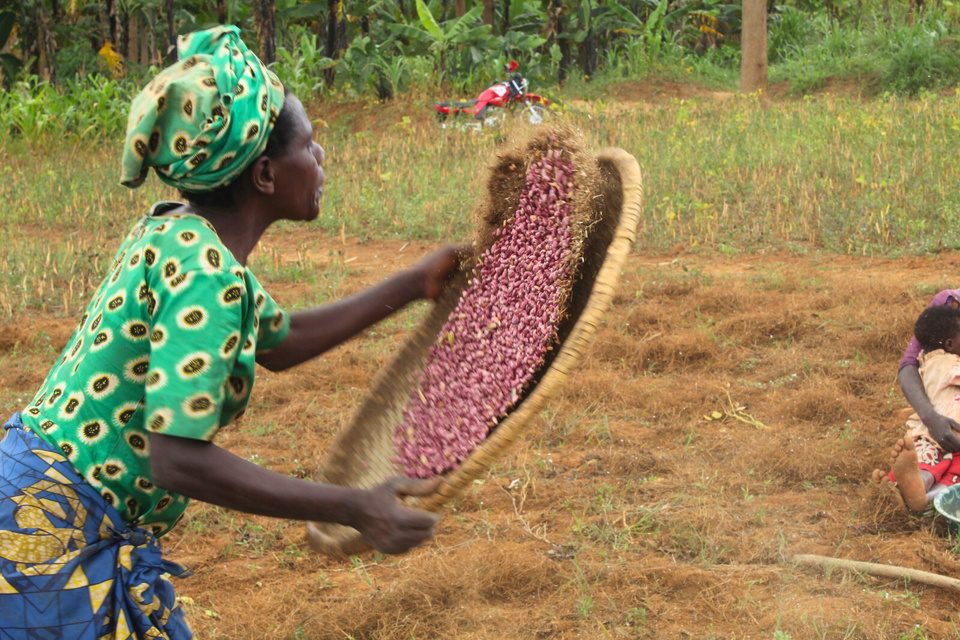
A Conservation Agriculture participant winnowing beans
Conservation Agriculture participants harvesting beans

349 groups · 9,225 members

Saving For Life (SFL)

The Saving For Life program began in 2015 and has grown to include 349 saving groups with a total of 9,225 members. Since 2022, the program has focused on ensuring that most members, especially women, can engage in income-generating activities to support their households. Consolidating people into saving groups was initially a challenge, but weekly contributions have now become standard practice.

Each savings cycle lasts between 9 and 12 months, during which members can borrow money to support their economic activities. The groups also maintain social funds to cover expenses such as weddings and funerals. Teen mothers are included in the program, giving them an opportunity to generate income and save.

In Bugesera District there are currently 198 associations with 4,950 individual members, plus 12 groups of 30 people working together in agricultural cooperatives, 360 members in total.

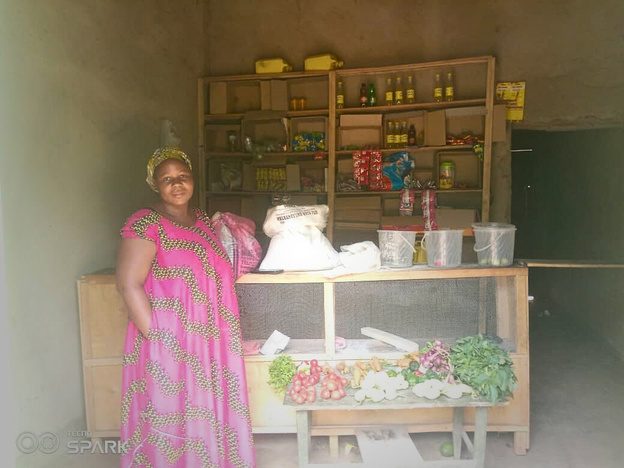
Iradukunda Emerance in the shop she opened through her savings group
Saving For Life participants at a weekly meeting

Election Observation

Every election year, FPH staff volunteer as election observers during major events such as parliamentary and presidential elections. They receive training to perform the following roles:

  • Monitor adherence to National Commission of Elections (NCE) rules
  • Ensure citizens can vote for their preferred candidates without coercion
  • Compile and submit reports on the process to the NCE

2024: In the Parliamentary and Presidential election year, FPH had 33 volunteers placed in provinces throughout Rwanda to assist with observing the election.

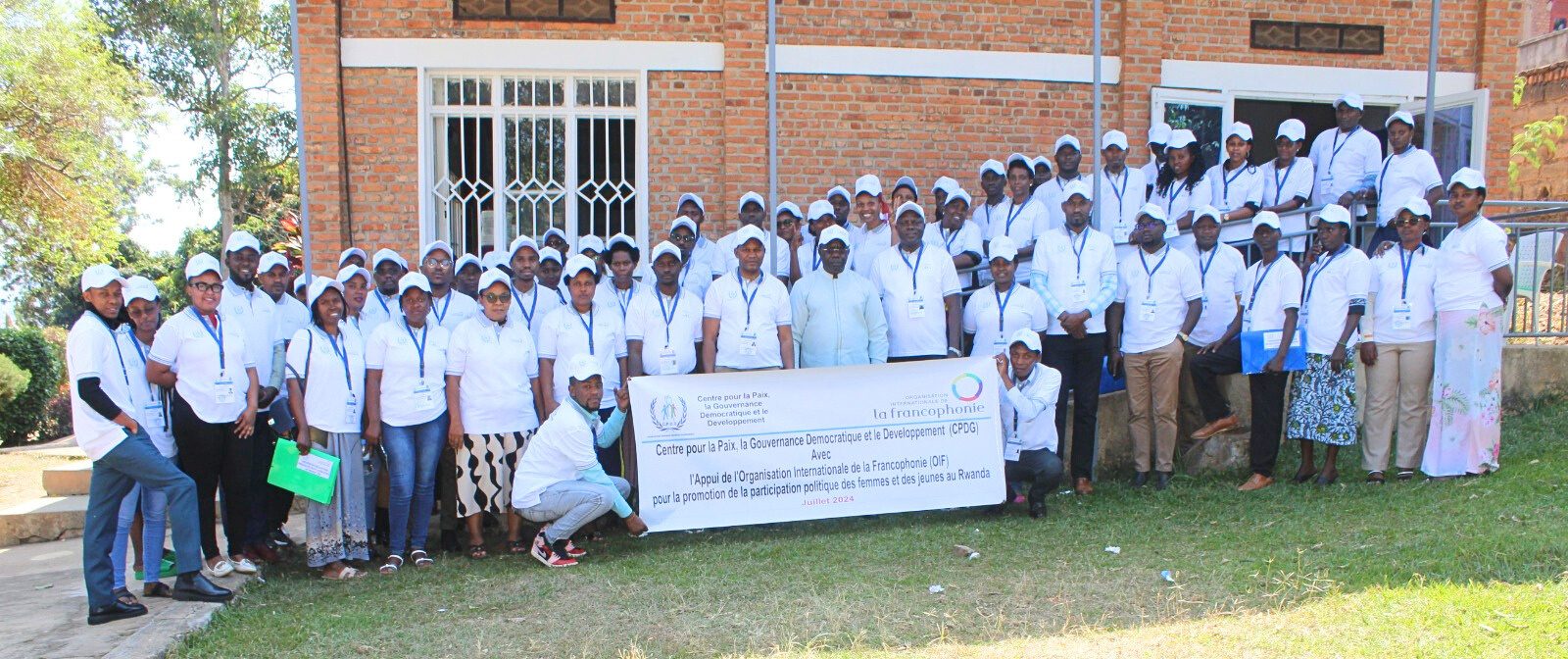
2024 election observer volunteers
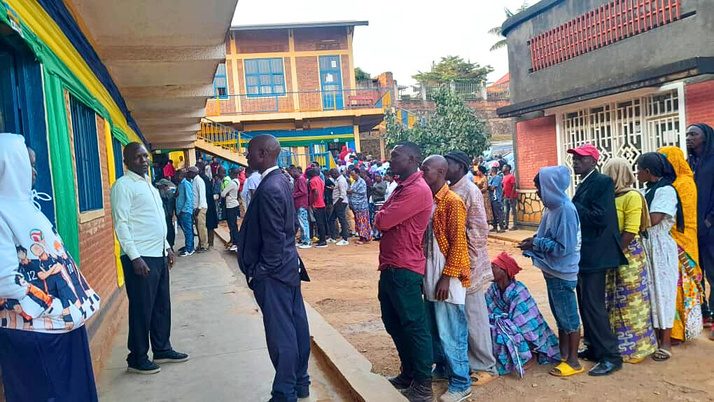
Citizens lining up to vote in Rusizi District

Support a program

Every program you've read about runs on the generosity of donors, volunteers, and partners. Choose the work closest to your heart and help it grow.

Get involved